



Dental Bridges at The Smile Factory
Is your smile missing one or more teeth? Tooth loss can happen for many reasons, including decay, gum disease, injury, or a tooth that could not be restored. Whatever the reason, a gap can affect more than how your smile looks.
Your teeth work together to help you bite, chew and speak. When a tooth is missing, you may find yourself chewing differently, and nearby teeth may gradually move towards the open space. This can affect how your teeth meet and function.
What is a Dental Bridge?
A dental bridge is a fixed restoration used to replace one or more missing teeth. As the name suggests, it “bridges” the space left by a missing tooth.
A traditional bridge usually consists of crowns placed over the teeth on either side of the gap, with an artificial tooth positioned between them. The neighbouring teeth act as anchors to hold the bridge in place.
Your bridge is planned with the colour, size and shape of your surrounding teeth in mind. Your dentist will also consider your bite and how the restoration functions when you chew. Unlike a removable denture, a fixed bridge stays in place. With regular cleaning and dental care, you can help maintain both the bridge and the natural teeth that hold it in position.
Why Replace a Missing Tooth?
Even if a missing tooth isn’t noticeable when you smile, there may be reasons to consider replacing it.
A gap can change how biting and chewing forces are distributed across your mouth. Depending on its location, neighbouring teeth may also gradually move towards the space, potentially changing the way your teeth meet.
Replacing the tooth can provide a more complete biting surface while also filling the visible space in your smile. For teeth towards the front of the mouth, we’ll consider how the bridge complements the surrounding teeth for a natural-looking appearance.
A bridge isn’t the only way to replace a missing tooth, however. Your dentist will assess your mouth and discuss the options that may be appropriate for your individual circumstances.
The Dental Bridge Process
Your first step is an examination. We’ll assess your teeth, gums and the area around the missing tooth. For a traditional bridge, the neighbouring teeth also need to be assessed to determine whether they can provide suitable anchorage.
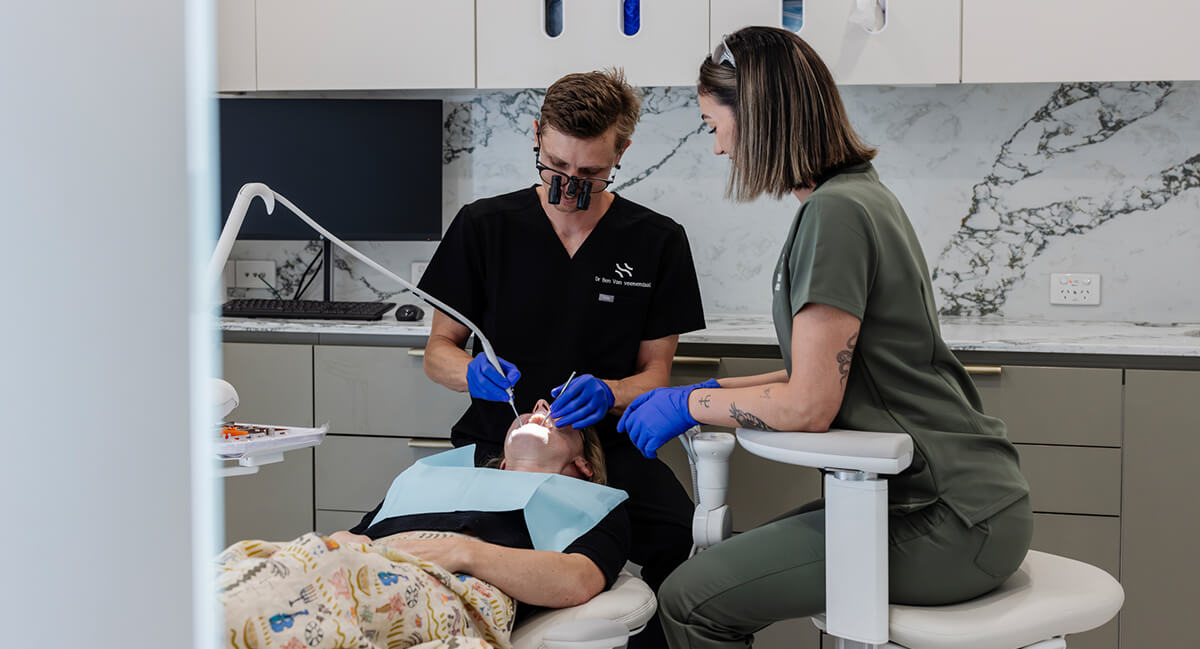
If a bridge is appropriate, the supporting teeth are prepared for crowns. Impressions or digital scans are then taken so your bridge can be made to fit the space and work with your existing bite. A temporary bridge may be placed while your permanent restoration is being made. At a following appointment, your dentist will check the fit, appearance and bite before securing the bridge in place.
Caring for Your Dental Bridge
Good oral hygiene is important when you have a bridge. While the artificial tooth cannot develop decay, the natural teeth supporting it still can. Plaque can also collect around the gumline and underneath the restoration.
Along with brushing twice a day, you’ll need to clean beneath your bridge. Your dentist can show you how and recommend suitable tools, such as floss threaders or interdental brushes.
Regular dental checkups also allow us to monitor your bridge and the health of the surrounding teeth and gums.
Frequently Asked Questions
What care is required for a dental bridge?
Regular dental visits are important for checking the bridge, supporting teeth and surrounding gums.
How do I prepare for a dental bridge?
If other dental concerns are identified, they may need to be addressed first. We’ll explain the preparation involved and what to expect at each appointment before you decide whether to proceed.
Each option works differently. A traditional bridge is anchored to neighbouring teeth, while an implant is placed into the jawbone. A denture is removable. We can explain the relevant considerations for each option so you can make an informed decision about your care.
Discover Your Perfect Smile
We’d love to help you achieve the smile of your dreams. Contact The Smile Factory today to book a consultation to determine if you’re an ideal candidate for a crown or bridge!
*Any invasive or surgical procedure may carry risks. Before moving forward, it is recommended that you seek a second opinion from an appropriately licensed medical professional.
